

Many companies dream of becoming big and successful, but unfortunately, most fail in their early stages. Some survive for a few years, and only a few businesses truly flourish over the long term.
For investors, the important question is why only a few companies win big.
The fate of a company is decided by the long-term economic characteristics of the business it operates in. Based on these characteristics, businesses can be broadly classified into three types:
-
Great Businesses
-
Good Businesses
-
Gruesome Businesses
Understanding this classification helps investors avoid poor investments and focus on wealth-creating companies.
1. Great Business

Great businesses have an enduring economic moat, meaning a strong long-term competitive advantage that protects their profits.
These companies usually grow at a moderate pace, but the key point is that they require very little additional capital to grow. They generate large amounts of cash and deliver consistently high returns on invested capital (ROIC).
Key Traits of a Great Business
-
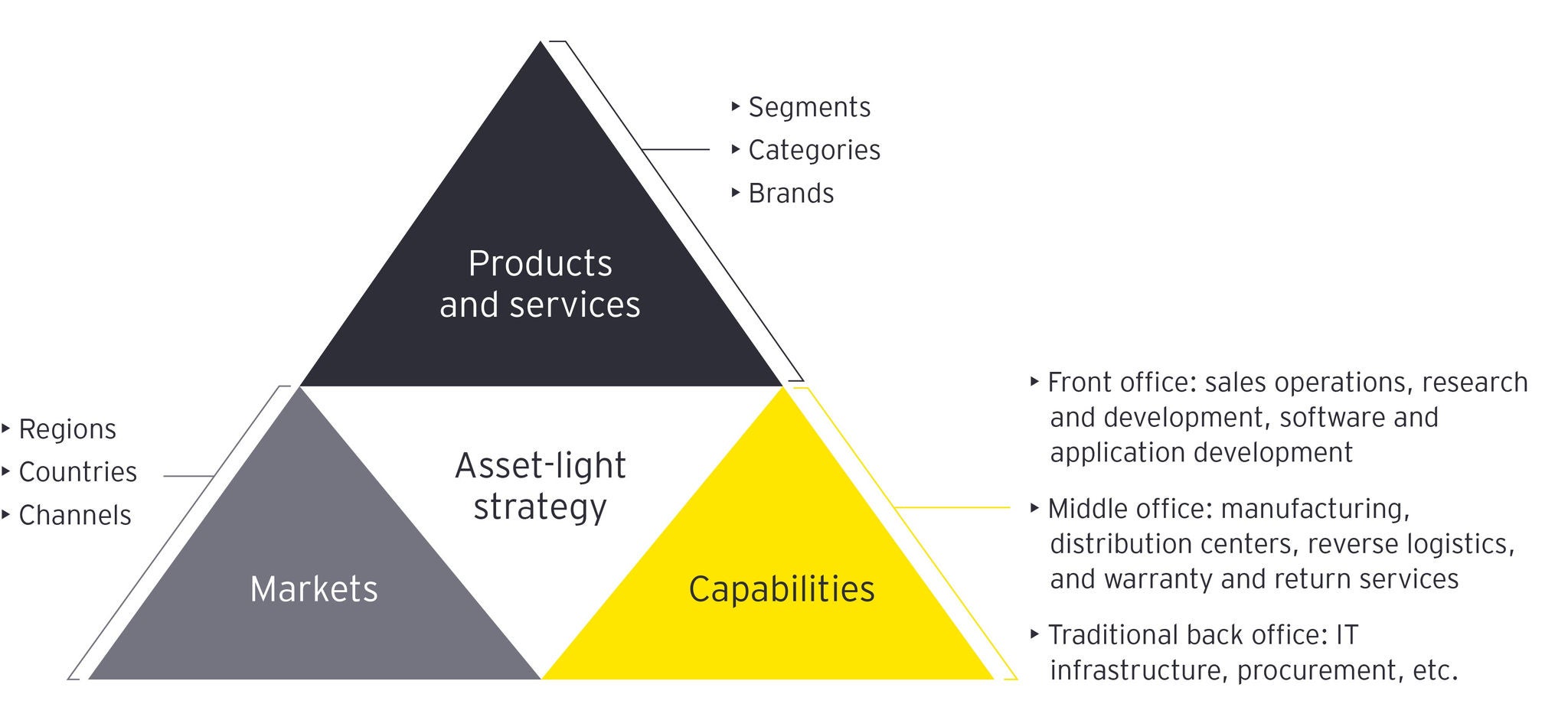
Asset-light business model
-
High and increasing ROE
-
Strong pricing power
-
High dividend payouts
-
Very low or no debt
-
Sustainable competitive advantage
Example: Nestlé India Ltd
Nestlé India is a classic example of a great business.
Over the years, Nestlé required less capital to operate, while its profits kept increasing steadily. In some years, it even reported negative invested capital, which means the business generates enough cash internally to fund its growth.
👉 This is the hallmark of a great business:
Less capital + higher profits = wealth creation
2. Good Business

Good businesses grow at healthy rates, but they need regular capital investment to sustain that growth. Unlike great businesses, they must reinvest a significant portion of profits—and sometimes raise additional capital.
These companies still create value, but at a slower pace.
Key Traits of a Good Business
-
Capital-intensive model
-
Stable but moderate ROE
-
Lower pricing power
-
Reasonable dividend payout
-
Requires good management to perform well
Example: Balkrishna Industries Ltd
Balkrishna Industries needed to invest capital every year to grow its operations. As invested capital increased, profits also grew.
In good businesses:
-
Profit growth is directly linked to capital invested
-
ROIC is usually higher than the cost of capital
👉 Good businesses can still be rewarding investments, especially when bought at the right price.
3. Gruesome Business
Gruesome businesses are the most dangerous for investors.
These companies generate returns lower than their cost of capital, meaning they destroy value even if revenues grow. Many such businesses require heavy reinvestment but fail to generate meaningful profits.
Key Traits of a Gruesome Business
-
Low or negative ROE
-
Poor or no pricing power
-
High capital requirements
-
Little or no dividends
-
Highly cyclical in nature
Example: Tata Global Beverages (Earlier Phase)
Despite generating profits in some years, Tata Global Beverages delivered returns lower than its cost of capital. This means that even growth did not benefit shareholders.
👉 Important lesson:
All growth is not good growth.
If returns are lower than the cost of capital, growth destroys value.
A Simple Bank Account Analogy

Think of businesses like three bank accounts:
-
Great Business – A bank account that pays very high interest and increases rates every year
-
Good Business – A bank account with decent interest, but you must keep adding money
-
Gruesome Business – A bank account with poor interest where you keep depositing but gain little
👉 Smart investors avoid the third account completely.
Summary – How Investors Should Think
Characteristics of a Great Business
-
Needs very little money to grow
-
High and rising ROE
-
Strong pricing power
-
Asset-light model
-
High competitive advantage
Characteristics of a Good Business
-
Needs capital for growth
-
Moderate pricing power
-
Stable ROE
-
Requires strong management
Characteristics of a Gruesome Business
-
Returns lower than cost of capital
-
Capital-hungry with weak profits
-
Value-destroying growth
-
High risk for long-term investors
Final Thoughts for Investors

Instead of spending time only finding great businesses, investors should first avoid gruesome businesses.
If you successfully avoid value-destroying companies, 90% of your investment job is already done.
At EQSIS, we help investors and traders understand business quality, financial fundamentals, and long-term value creation so they can make smarter decisions in the stock market.