


Losing money in the stock market is emotionally painful. When markets go down, the stress created by falling prices affects our confidence, mindset, and even our ego. Accepting losses is difficult because it feels like we made a mistake with our hard-earned money.
But losses are a normal part of investing and trading. Every successful trader or investor has faced losses at some point. What matters is how you understand those losses and how you respond to them.
In this article, we will clearly explain the different types of losses in the stock market and share practical ways to deal with them so you can become a more disciplined and confident trader.
Why Losses Feel So Painful in the Stock Market


Everyone invests with the hope of creating wealth. When stock prices rise, we feel happy and confident looking at our portfolio. But when the market enters a downturn, fear and anxiety take control.
It is emotionally very difficult to watch your portfolio value fall. No one likes losing money. This emotional pain often leads to panic decisions like selling at the wrong time or avoiding the market completely.
The first step to dealing with losses is to identify what type of loss you are facing.
Different Types of Losses in the Stock Market
There are mainly three types of losses that investors and traders experience.
1. Capital Loss
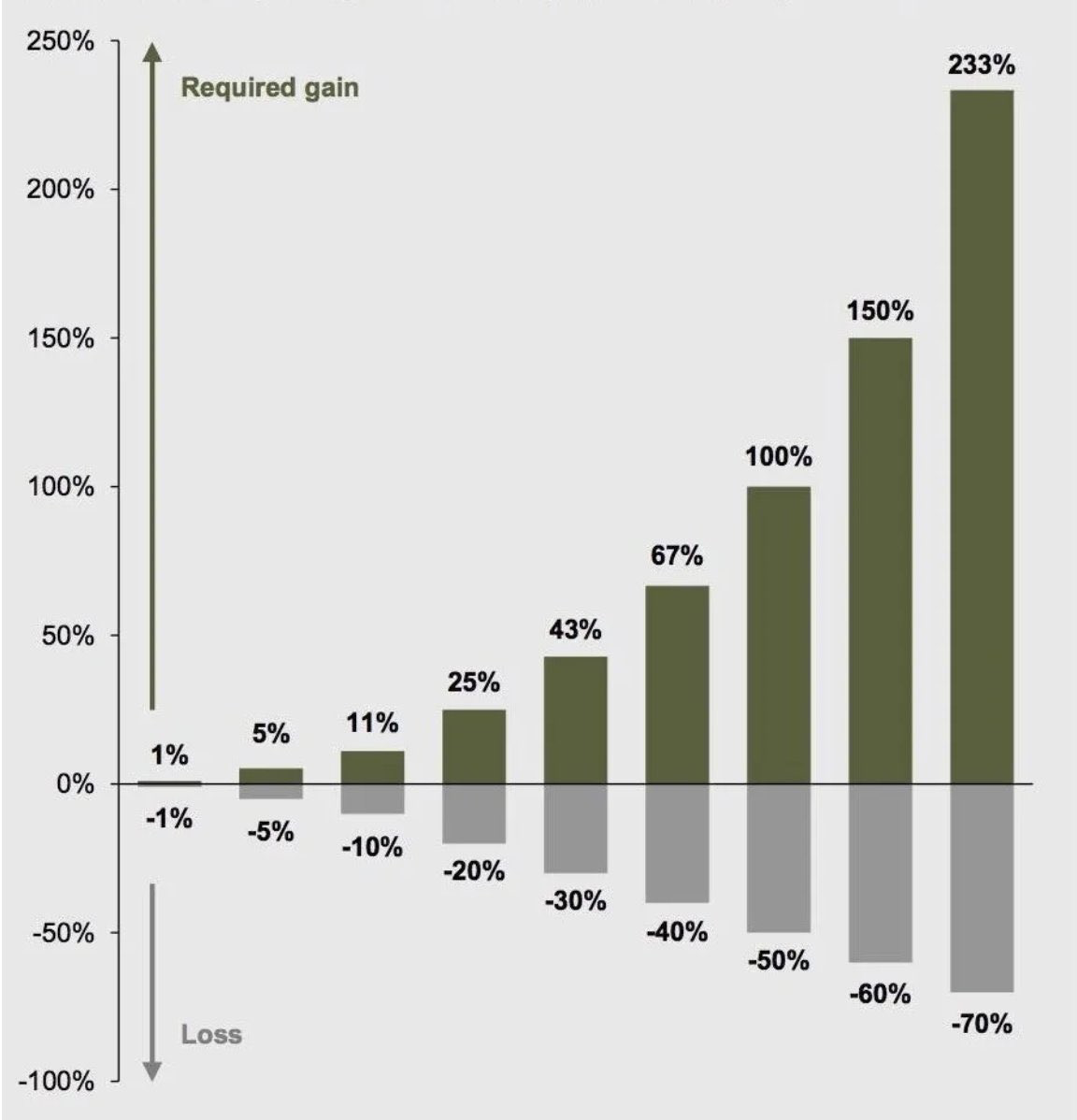

Capital loss is the most common and painful type of loss.
You buy a stock, and the price starts falling. Due to stress and fear, you decide to sell the stock at a lower price than what you paid. The difference between your buying price and selling price is called capital loss.
Example:
You invest ₹10,000 in a stock.
The price falls by 20%.
You sell it at ₹8,000.
Your capital loss is ₹2,000.
In most portfolios, more than 90% of losses are capital losses caused by emotional selling.
How to Manage Capital Loss
You must clearly understand the difference between unrealized loss and realized loss.
-
If your stock price falls but you do not sell, it is an unrealized loss
-
A loss becomes real only when you sell the stock
Markets move in cycles. If the company fundamentals are strong, prices may recover over time. Panic selling during temporary market corrections often turns paper losses into permanent losses.
👉 Always remember:
Unrealized loss is not the same as realized loss.
2. Opportunity Loss

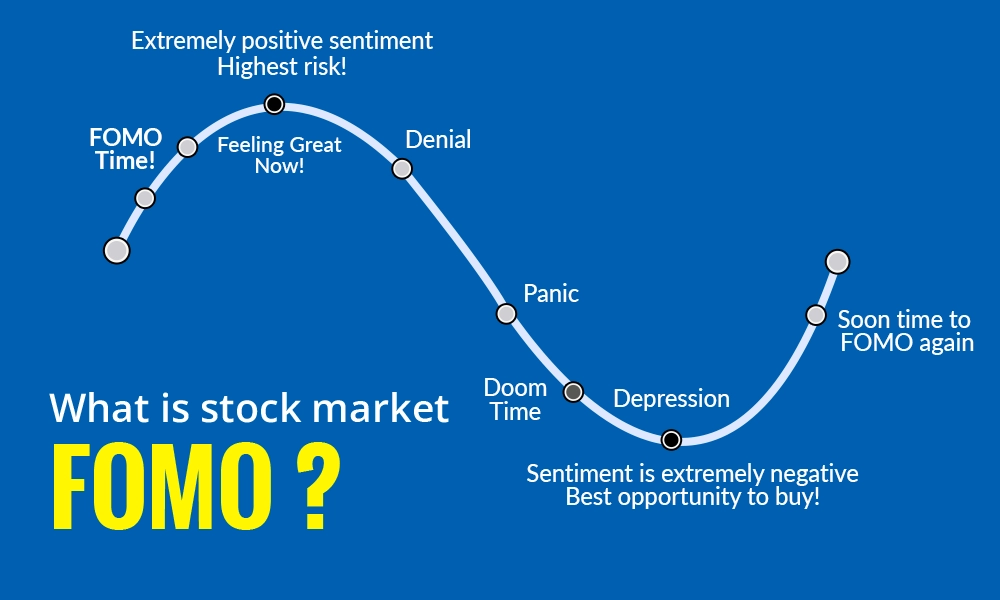


Opportunity loss is less visible but very real.
You invest ₹10,000 in a stock that does not move for three years. Technically, you have not lost money. But during the same period, another stock may have doubled or tripled in value.
The return you missed by choosing the wrong investment is called opportunity loss.
How to Reduce Opportunity Loss
Opportunity loss cannot be completely avoided, but it can be reduced.
-
Invest after proper analysis
-
Avoid random tips and herd mentality
-
Compare risk and reward before investing
👉 Always aim to invest in the best possible opportunity available at that time, based on your knowledge and risk capacity.
3. Missed Profit Loss


Missed profit loss happens when a stock rises sharply and then falls back to your buying price.
For example, a stock moves 3x or 5x in a short period. You do not sell because of greed. Later, the stock corrects sharply and returns to your original purchase price.
You did not lose capital—but you lost the opportunity to book profits. This situation is common in volatile and small-cap stocks.
How to Avoid Missed Profit Loss
Have a clear exit strategy.
-
Do not try to sell at the exact top
-
Do not let greed control your decisions
-
Book profits gradually when prices rise very fast
👉 If you are satisfied with your profit, book it. Markets will always give new opportunities.
How to Deal With Losses in Your Portfolio Emotionally
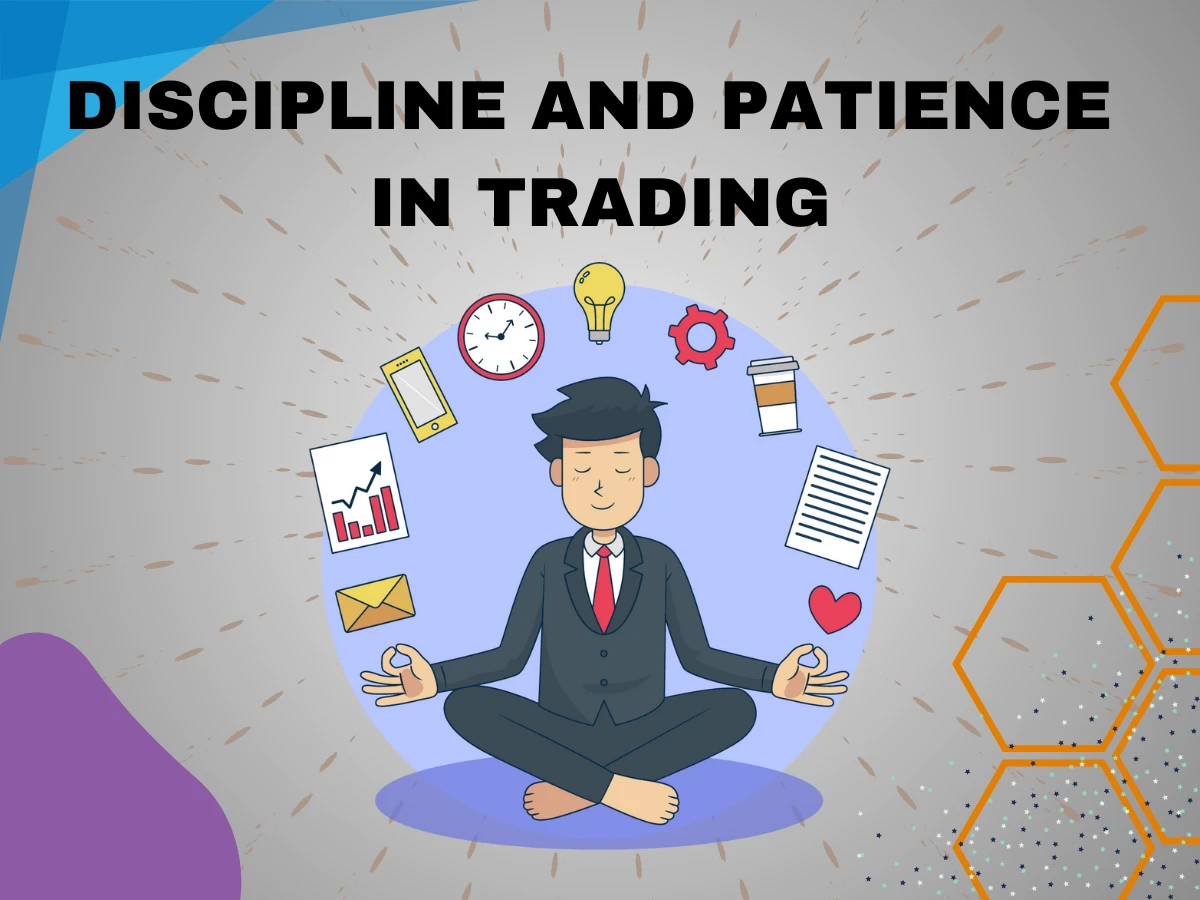

Losses affect emotions deeply. When emotions take control, decision-making becomes poor. Here is a simple 3-step approach to handle losses better.
1. Analyze Your Decisions
Review your investment decisions calmly.
Ask yourself:
-
Why did I enter this trade?
-
Did I follow a strategy?
-
What mistake did I make?
Do not blame the market. The market has no personal intention against you. Every loss is an opportunity to learn and improve.
2. Inculcate Strict Financial Discipline
Most investors lose money because of poor discipline.
Common mistakes include:
-
No stop-loss
-
Over-trading
-
Emotional buying and selling
Everyone loses money in the market. The difference is that disciplined traders lose less.
Financial discipline means controlling fear, greed, and herd mentality.
3. Understand the Psychology of Loss
We feel happy when we make a profit of ₹100.
But we feel almost twice the pain when we lose ₹100.
This is normal human psychology.
👉 Do not let losses define you.
Treat losses as tuition fees paid to the market.
Each loss teaches a lesson that no book can fully explain.
Final Thoughts
Losses are unavoidable in the stock market. But repeated losses can be reduced with learning, discipline, and the right mindset.
If you want to trade with confidence, manage risk better, and understand real market behaviour, structured learning plays a crucial role.
At EQSIS, we focus on practical stock market education that helps traders build discipline, emotional control, and long-term confidence in trading.